Pallet Repair
Pallet Repair in North Collins, NY
All pallet repair work is performed at our facility. We pick up damaged pallets, complete all repairs in our shop, and return them in functional condition. On-site repairs are not available at this time. Repair rates are the same whether pallets are being returned to the customer or replaced with units from our inventory.
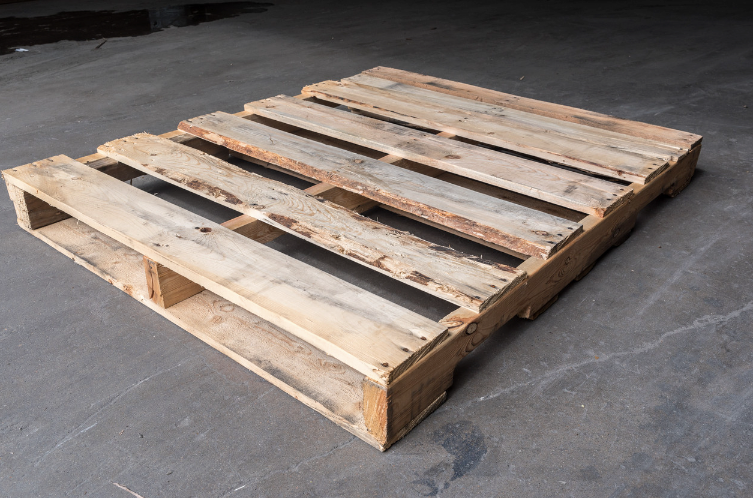
Pallet damage typically occurs during repeated loading, forklift handling, stacking, and transport. Common issues include broken deck boards, cracked stringers, and weakened structural supports that reduce load stability. Rather than discarding these standard GMA-style stringer pallets, repair services address specific structural failures and return pallets to usable condition based on industry handling requirements.
The service is primarily centered on standard GMA-style wooden pallets, which are widely used in commercial shipping environments. Repairs are performed either at customer facilities or through coordinated off-site processing depending on volume and operational needs.
Types of Pallet Repair Services
Pallet repair work is performed based on the type and severity of damage present in each pallet unit. Each repair category addresses a specific structural issue that affects pallet usability.
Deck Board Replacement
Deck board replacement involves removing cracked, split, or missing top and bottom boards and installing new boards to restore surface stability. This type of repair is commonly required when pallets have been exposed to repeated forklift contact or heavy load distribution that causes surface failure.
Structural Reinforcement
Some pallets do not require full component replacement but need reinforcement in key stress areas. This process involves strengthening weak joints, securing loose components, and stabilizing areas that show early signs of structural fatigue.
Reconditioning for Continued Use
Reconditioning involves multiple repair actions performed together to restore pallets to a functional state suitable for continued circulation in warehouse and shipping environments. This process is often applied to medium-condition pallets that still retain most of their structural integrity.
Pallet Inspection and Assessment Process
Before any repair work begins, pallets are evaluated to determine the type and extent of damage. This inspection process ensures that only repairable pallets are processed and that structural safety is maintained.
01
Damage Identification
Each pallet is inspected for visible and structural damage, including cracked wood, missing components, loose fasteners, and warping caused by moisture or heavy load stress. This step determines whether a pallet qualifies for repair or requires removal from circulation.
02
Structural Integrity Check
Pallets undergo a stability assessment to determine whether the core structure can safely support weight after repair. This includes evaluating stringer alignment and load distribution points that affect performance in warehouse environments.
03
Repair Classification
Once inspection is complete, pallets are categorized based on repair requirements. This classification determines whether a pallet needs minor repairs, full component replacement, or reinforcement work before it can be returned to service.
Repair Process and Restoration Methods
Pallet repair is carried out using standardized restoration methods designed to maintain consistency across pallet units while ensuring functional usability in material handling systems.
Component Removal and Replacement
Damaged boards and structural components are carefully removed to prevent further weakening of the pallet frame. Replacement parts are then installed to match original dimensions and maintain compatibility with standard pallet racking and forklift handling systems.
Fastening and Structural Securing
Repaired sections are secured using industrial fasteners designed for load-bearing wood structures. This step ensures that replaced components remain stable under repeated handling and stacking conditions.
Final Structural Alignment
After repairs are completed, pallets are checked for alignment to ensure even weight distribution across all support points. This step reduces the risk of instability during transport or storage operations.
Material Standards and Pallet Types
Repair work is primarily focused on standard shipping pallets used in industrial and commercial logistics. These pallets must meet basic structural expectations for safe handling in warehouse and freight environments.
Standard GMA Pallets
Most repair work involves 48x40 GMA wooden pallets, which are widely used across retail distribution and supply chain operations. These pallets are designed for repeated use, making them suitable for ongoing repair cycles.
Mixed Wooden Pallet Variations
Some facilities use non-standard but similar wooden pallet formats. These are also included in repair services as long as structural compatibility allows for safe restoration and reuse.
Heat-Treated Pallets
Where applicable, heat-treated pallets used for export shipping requirements are repaired in compliance with their original treatment standards. Repairs are performed in a way that preserves identification markings and compliance status where required.
Service Area and Operational Coordination
Pallet repair services are provided in North Collins, NY and surrounding Western New York industrial and logistics regions. The service supports facilities that experience continuous pallet turnover due to shipping, receiving, and inventory movement activities.
Repair coordination is typically arranged based on pallet volume and facility workflow. Some operations require scheduled pickup and return cycles, while others involve on-site repair support depending on available space and operational structure.
Facilities with high pallet usage often integrate repair services into their regular logistics cycle to manage damaged pallet accumulation without disrupting warehouse operations. Scheduling is coordinated to align with dock availability and internal material flow requirements, ensuring that pallet repair activities do not interfere with active shipping processes.